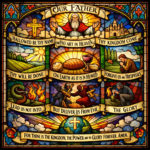
When Jesus taught His disciples to pray, He included these words: “And do not lead us into temptation, but deliver us from evil.” ( Matthew 6:13) This final petition of the Lord’s Prayer teaches us something important about the Christian life. Temptation is real, evil is active, and our own sinful weakness makes us vulnerable.... Read more »
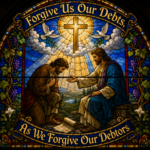
Jesus teaches His disciples to pray: “And forgive us our debts, as we also have forgiven our debtors.” (Matthew 6:12 NASB) This petition concerns both our dependence upon God’s forgiveness and our responsibility toward those who have sinned against us. There are debts we owe, and there are debts owed to us. Luke records the... Read more »
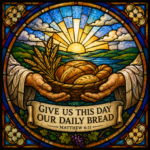
When Jesus taught His disciples to pray, He included a simple yet profound request: ‘Give us this day our daily bread. (Matt 6:11 NAS) At first glance, these words appear to be a request for food. While they certainly include our physical needs, the rest of Scripture reveals that this petition reaches much deeper. It teaches us... Read more »
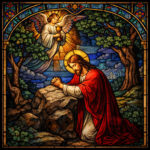
When Jesus taught His disciples to pray, He included these words: “And do not lead us into temptation, but deliver us from evil.” ( Matthew 6:13) This final petition of the Lord’s Prayer teaches us something important about the Christian life. Temptation is real, evil is active, and our own sinful weakness makes us vulnerable.... Read more »
Jesus teaches His disciples to pray: “And forgive us our debts, as we also have forgiven our debtors.” (Matthew 6:12 NASB) This petition concerns both our dependence upon God’s forgiveness and our responsibility toward those who have sinned against us. There are debts we owe, and there are debts owed to us. Luke records the... Read more »
When Jesus taught His disciples to pray, He included a simple yet profound request: ‘Give us this day our daily bread. (Matt 6:11 NAS) At first glance, these words appear to be a request for food. While they certainly include our physical needs, the rest of Scripture reveals that this petition reaches much deeper. It teaches us... Read more »
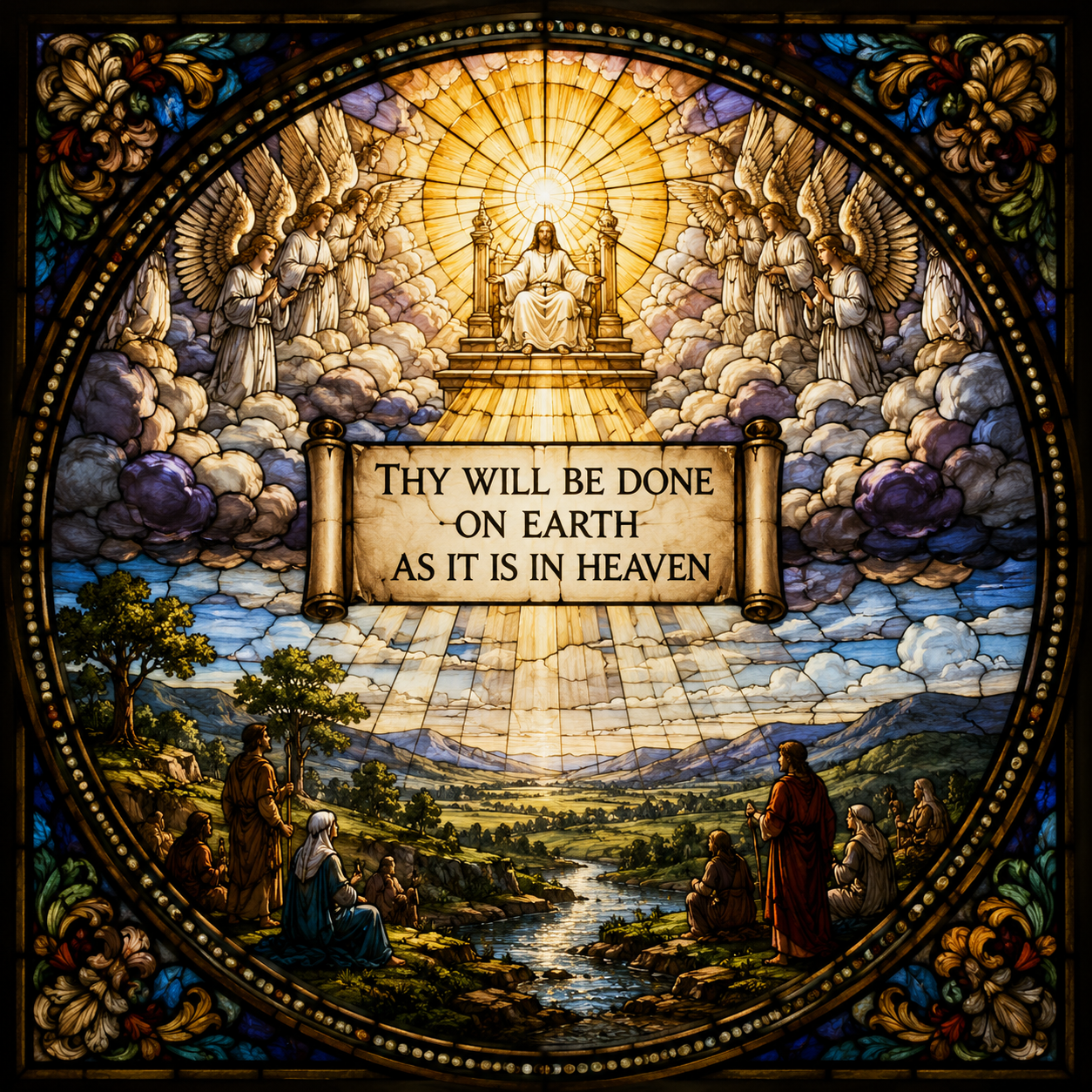
 When Jesus taught His disciples how to think about God, the world, and their place before Him, He taught them to pray: “Thy will be done on earth, as it is in heaven.” (Matthew 6:10; Luke 11:2) The Lord’s Prayer begins by teaching us to confess God’s rule before it teaches us to present our... Read more »
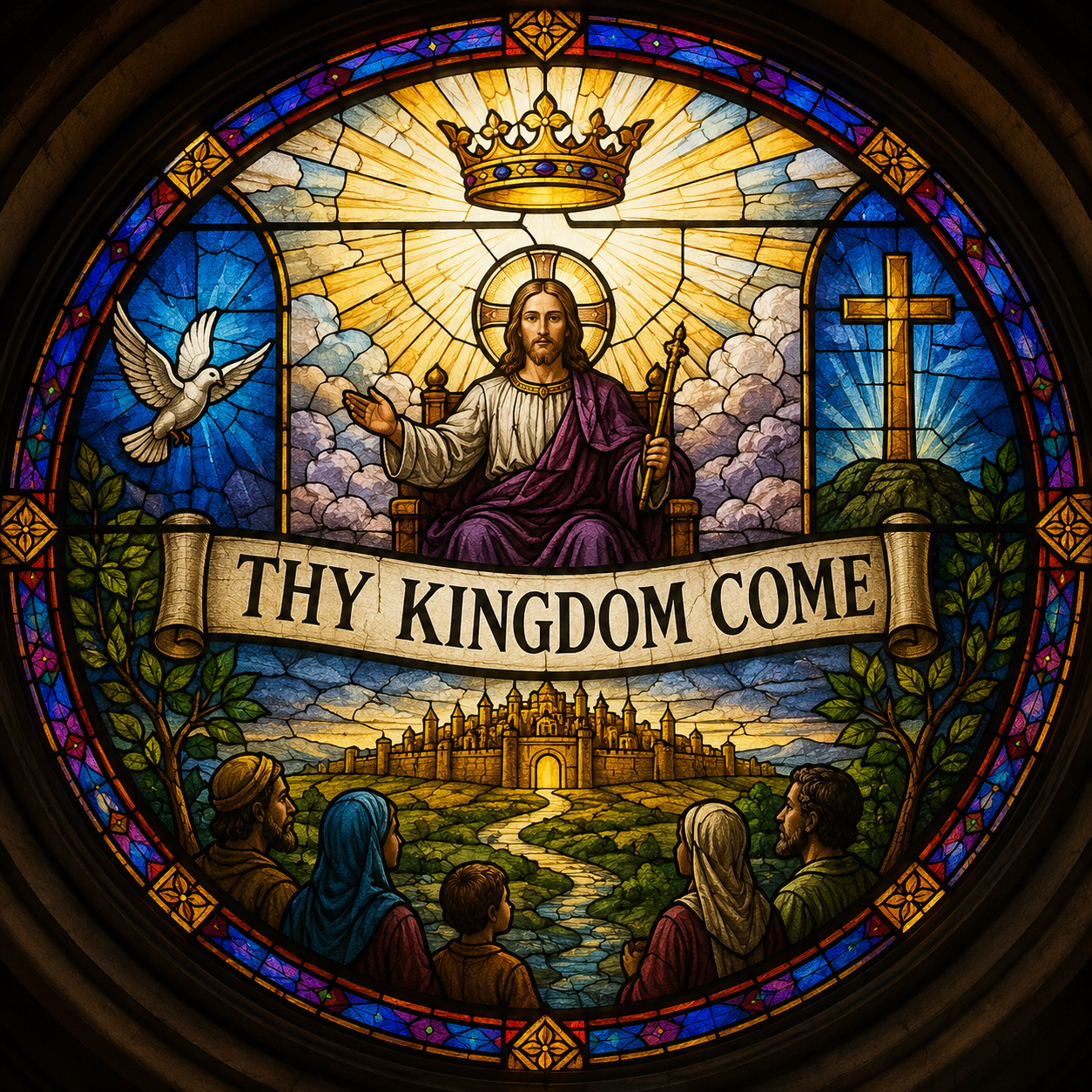
Throughout Scripture, the kingdom of God refers to God’s sovereign reign over His creation and His people. When Christians pray “Thy kingdom come,” they are acknowledging Christ as King, praying for the spread of the gospel, and desiring God’s will to be done on earth as it is in heaven. In the Lord’s Prayer, Jesus... Read more »
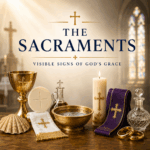
Welcome to this series on the sacraments. Throughout the history of the Church, Christians have recognized sacred acts that visibly proclaim the grace of God. These acts, often called sacraments or ordinances, stand at the center of Christian worship, discipleship, and community life. While different traditions understand them in different ways, nearly all Christians recognize... Read more »
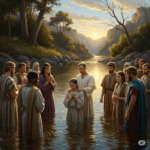
The word “sacrament” refers to a sacred act instituted by Christ that visibly represents God’s grace. Christians throughout history have practiced rites such as baptism and communion, but Roman Catholics and Protestants differ in both the number of sacraments and their meaning. The Roman Catholic Church teaches that there are seven sacraments: Baptism, Confirmation, the... Read more »
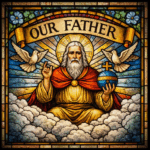
The Lord’s Prayer begins with the words: “Our Father who art in heaven, Hallowed be Thy name.” (Matt 6:9 NAS) This sets the tone for the entire prayer. Before asking for daily needs, petitions, or guidance, the focus is placed on God Himself. This opening request teaches us that sanctifying the name of God is the foundation... Read more »
When we pray, “Our Father who art in heaven,” we are not merely reciting words; we are being taught how to approach God rightly. Before we even ask anything of Him, we are instructed in the posture of prayer, the confidence we must have, and the object of our desire. Of all things required in... Read more »
The Lord’s Prayer is the framework Christ gave us to have a meaningful prayer relationship with God. Prayer requires humility. Prayer is not a display of religious pride, but a humble appeal for mercy before a holy God. “Two men went up into the temple to pray, one a Pharisee, and the other a tax-gatherer.... Read more »
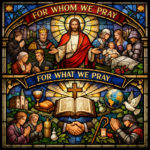
Prayer is the humble, contrite, God-centered response of a redeemed servant to God’s revealed word. It is offering praise and thanksgiving for who He is and what He has done, trusting that He fully knows His people. We are to direct our prayers towards specific things. The Bible instructs us for whom we are to... Read more »
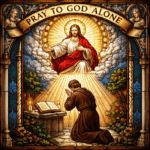
Prayer is a form of Worship. Prayer is not a neutral spiritual activity; it is an act of worship. For this reason, prayer must never be directed toward any created being. Scripture consistently binds prayer to the exclusive worship due to God alone. Jesus Himself establishes this boundary when He declares: “You shall worship the... Read more »
Biblical prayer begins with humility and repentance, recognizing God’s grace and our own unworthiness. “Two men went up into the temple to pray, one a Pharisee, and the other a tax-gatherer. “The Pharisee stood and was praying thus to himself, ‘God, I thank Thee that I am not like other people: swindlers, unjust, adulterers, or... Read more »
This study guide explores the Lord’s Prayer as Scripture presents it not merely as a prayer to be repeated, but as a divine pattern that teaches God’s people how to think, speak, and live before Him. Each lesson builds carefully from the foundations of biblical prayer, examining who prayer is for, how prayer is offered,... Read more »
The Tenth Commandment, “You shall not covet,” calls people to honorable conduct in both heart and life. Coveting in Scripture is far more than a private inward feeling, it is a desire that inclines the heart toward taking what God has given to another. The Tenth Commandment was not given merely to regulate thoughts but... Read more »
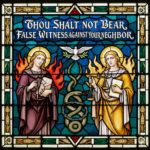
The ninth commandment upholds the sacred duty to preserve truth and integrity in all areas of life. False witness is more than lying in court; it includes any form of deceit, slander, or misrepresentation that harms others. God commands His people to reflect His truthfulness in every word and deed. The Ninth Commandment declares, “You... Read more »
When Jesus taught His disciples how to think about God, the world, and their place before Him, He taught them to pray: “Thy will be done on earth, as it is in heaven.” (Matthew 6:10; Luke 11:2) The Lord’s Prayer begins by teaching us to confess God’s rule before it teaches us to present our... Read more »
Throughout Scripture, the kingdom of God refers to God’s sovereign reign over His creation and His people. When Christians pray “Thy kingdom come,” they are acknowledging Christ as King, praying for the spread of the gospel, and desiring God’s will to be done on earth as it is in heaven. In the Lord’s Prayer, Jesus... Read more »
Welcome to this series on the sacraments. Throughout the history of the Church, Christians have recognized sacred acts that visibly proclaim the grace of God. These acts, often called sacraments or ordinances, stand at the center of Christian worship, discipleship, and community life. While different traditions understand them in different ways, nearly all Christians recognize... Read more »
The word “sacrament” refers to a sacred act instituted by Christ that visibly represents God’s grace. Christians throughout history have practiced rites such as baptism and communion, but Roman Catholics and Protestants differ in both the number of sacraments and their meaning. The Roman Catholic Church teaches that there are seven sacraments: Baptism, Confirmation, the... Read more »
The Lord’s Prayer begins with the words: “Our Father who art in heaven, Hallowed be Thy name.” (Matt 6:9 NAS) This sets the tone for the entire prayer. Before asking for daily needs, petitions, or guidance, the focus is placed on God Himself. This opening request teaches us that sanctifying the name of God is the foundation... Read more »
When we pray, “Our Father who art in heaven,” we are not merely reciting words; we are being taught how to approach God rightly. Before we even ask anything of Him, we are instructed in the posture of prayer, the confidence we must have, and the object of our desire. Of all things required in... Read more »
The Lord’s Prayer is the framework Christ gave us to have a meaningful prayer relationship with God. Prayer requires humility. Prayer is not a display of religious pride, but a humble appeal for mercy before a holy God. “Two men went up into the temple to pray, one a Pharisee, and the other a tax-gatherer.... Read more »
Prayer is the humble, contrite, God-centered response of a redeemed servant to God’s revealed word. It is offering praise and thanksgiving for who He is and what He has done, trusting that He fully knows His people. We are to direct our prayers towards specific things. The Bible instructs us for whom we are to... Read more »
Prayer is a form of Worship. Prayer is not a neutral spiritual activity; it is an act of worship. For this reason, prayer must never be directed toward any created being. Scripture consistently binds prayer to the exclusive worship due to God alone. Jesus Himself establishes this boundary when He declares: “You shall worship the... Read more »
Biblical prayer begins with humility and repentance, recognizing God’s grace and our own unworthiness. “Two men went up into the temple to pray, one a Pharisee, and the other a tax-gatherer. “The Pharisee stood and was praying thus to himself, ‘God, I thank Thee that I am not like other people: swindlers, unjust, adulterers, or... Read more »
This study guide explores the Lord’s Prayer as Scripture presents it not merely as a prayer to be repeated, but as a divine pattern that teaches God’s people how to think, speak, and live before Him. Each lesson builds carefully from the foundations of biblical prayer, examining who prayer is for, how prayer is offered,... Read more »
The Tenth Commandment, “You shall not covet,” calls people to honorable conduct in both heart and life. Coveting in Scripture is far more than a private inward feeling, it is a desire that inclines the heart toward taking what God has given to another. The Tenth Commandment was not given merely to regulate thoughts but... Read more »
The ninth commandment upholds the sacred duty to preserve truth and integrity in all areas of life. False witness is more than lying in court; it includes any form of deceit, slander, or misrepresentation that harms others. God commands His people to reflect His truthfulness in every word and deed. The Ninth Commandment declares, “You... Read more »
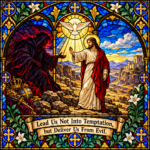 When Jesus taught His disciples to pray, He included these words: “And do not lead us into temptation, but deliver us from evil.” ( Matthew 6:13) This final petition of the Lord’s Prayer teaches us something important about the Christian life. Temptation is real, evil is active, and our own sinful weakness makes us vulnerable.... Read more »