A Guide to Historic Christian Catechisms and Confessions.

The Apostles’ Creed stands at the heart of historic Christian faith, summarizing the core beliefs passed down through the Church across the centuries.

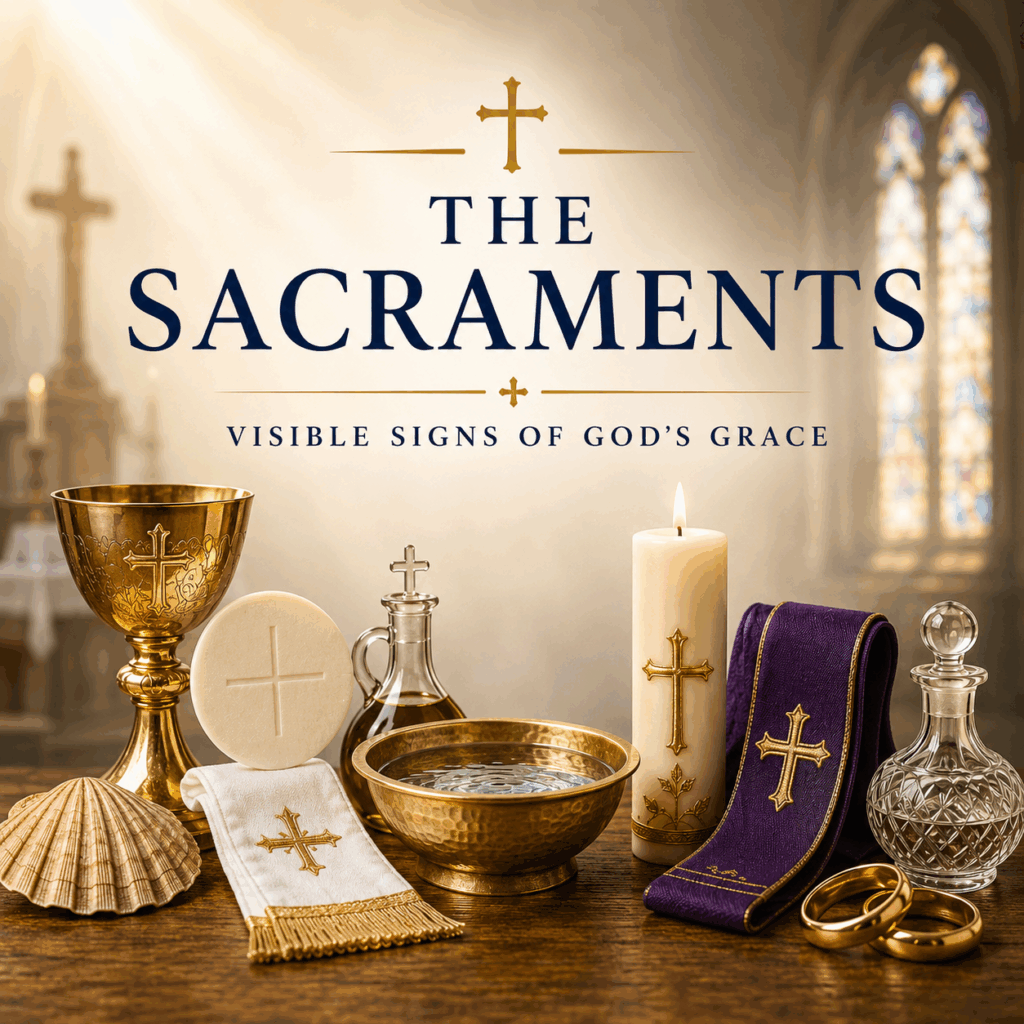
This site is dedicated to exploring the Creed in depth, together with the Ten Commandments, the Lord’s Prayer, and the Sacraments, these are the four pillars of the Christian catechism, through which the faith is taught, confessed, and lived.

These four pillars are the faith believed, confessed, and lived. To fully understand the Christian catechism, it is best to study them in the following order:

A firm understanding of the Catechism and the Confessions grounds Christians in God’s Word, forming a clear grasp of the faith and preparing them to engage unbelievers and respond faithfully to those who challenge the doctrines of the Church.
Start with the Apostles’ Creed.
Scroll down or click here to read the series.

Apostles Creed

Apostles Creed

This sixteen article series walks readers through each line of the Apostles’ Creed with biblical clarity and confessional depth. Each article explains what Christians have historically believed, why these truths matter, and how they shape our faith and life today. Written in a simple and pastoral style, the series helps believers understand the Creed as a rich summary of Scripture and a foundation for Christian doctrine, worship, and discipleship.

And was buried. He descended into hellThe most controversial part of the Apostles Creed is the statement “He descended into Hell.” While there are many that deny Heaven, Hell, or both, the Bible teaches that the righteous go to eternal life and the unrighteous to eternal destruction. Jesus said, “And these will go away into eternal punishment, but the righteous into... Read more »
He ascended into heavenAccording to the Bible, Jesus ascended into heaven. Before He did, He spent time teaching His disciples and preparing them for their ministry. This further proves that the disciples were true witnesses of His resurrection—they saw Him alive, touched Him, and knew He had truly risen in a physical body. Once His time of teaching... Read more »
The holy catholic churchThere is a common misunderstanding regarding the catholic church. The word “catholic” is quite often used synonymously with the Roman Catholic church. The Roman Catholic church is a particular church in the catholic church. The “Nation of Israel” or “Israel” is also not the church. Nor is the Church the “New Israel.” In addition, the... Read more »
The communion of saintsMany people associate communion solely with the “Lord’s Supper” or the “Eucharist.” While these practices involve communion, they are not the full meaning of it. The true mission of the Church is to come together in fellowship—to preach the gospel, minister to one another, and share our talents, abilities, and spiritual gifts to support God’s... Read more »
The forgiveness of sinsSins can only be forgiven through the shedding of blood. “And according to the Law, one may almost say, all things are cleansed with blood, and without shedding of blood there is no forgiveness.”(Heb 9:22 NAS) Forgiveness and mercy, though often confused, are not the same. Forgiveness means that God has removed the penalty of sin and... Read more »
And life everlasting. AmenThe final part of the Apostles’ Creed teaches the Christian hope of everlasting life. Christianity affirms not only eternal life but also eternal death. Both come after the resurrection of the dead. Eternal life is God’s promise to His people, those who believe and put their faith in Him. But those who reject Christ and... Read more »

Share Apostles-Creed.org