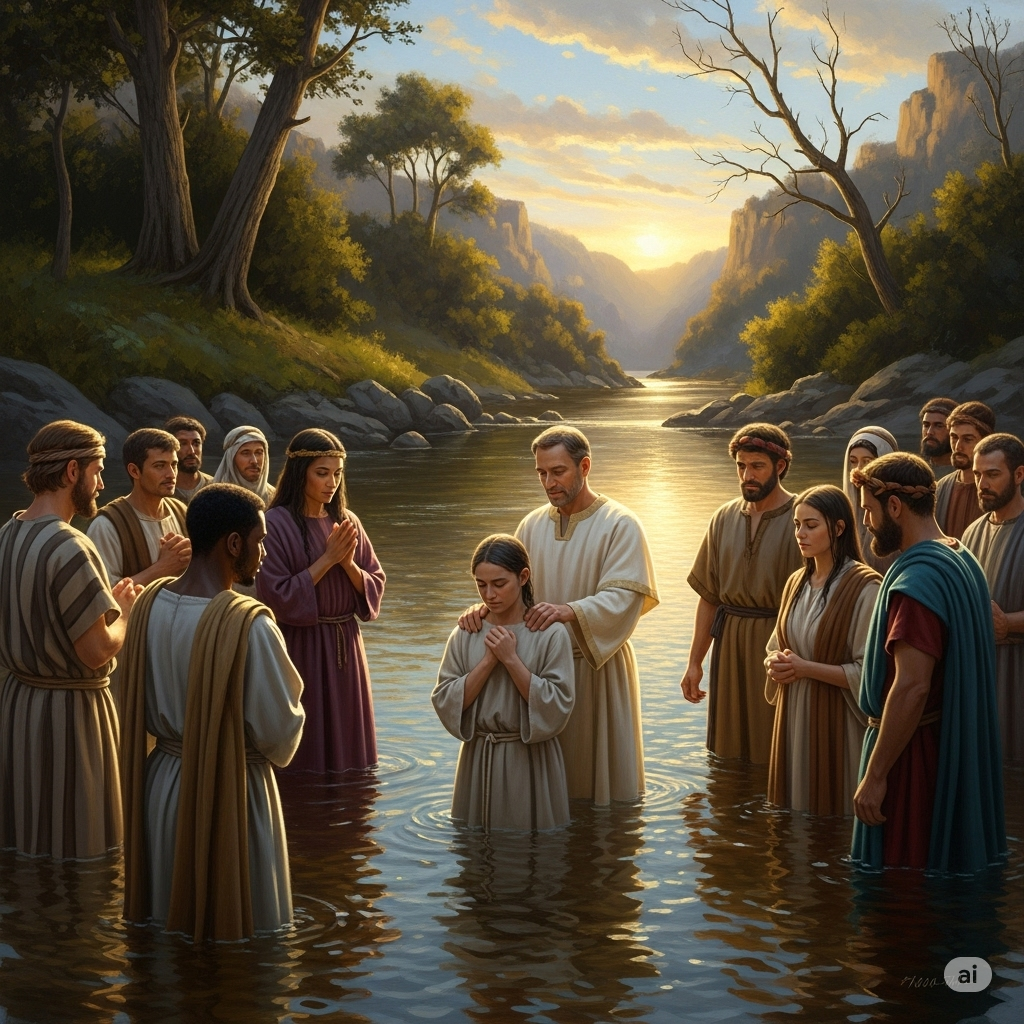
The word “sacrament” refers to a sacred act instituted by Christ that visibly represents God’s grace. Christians throughout history have practiced rites such as baptism and communion, but Roman Catholics and Protestants differ in both the number of sacraments and their meaning.
The Roman Catholic Church teaches that there are seven sacraments: Baptism, Confirmation, the Eucharist, Penance (Confession), Anointing of the Sick, Holy Orders, and Matrimony. Catholics believe these sacraments were instituted by Christ and are channels through which God gives grace to the believer. The Catholic Church especially emphasizes the Eucharist, teaching that the bread and wine truly become the body and blood of Christ. Jesus’ words at the Last Supper are central to this belief: “This is My body” and “This is My blood” (Matthew 26:26–28).
Most Protestant churches recognize only two sacraments or ordinances: Baptism and the Lord’s Supper. Protestants generally teach that these two practices were directly commanded by Christ for all believers. Baptism is rooted in Christ’s command:
“Go therefore and make disciples of all the nations, baptizing them in the name of the Father and the Son and the Holy Spirit” (Matthew 28:19 NAS).
The Lord’s Supper is based on Jesus’ instruction:
“Do this in remembrance of Me” (Luke 22:19 NAS).
A major difference between Catholics and Protestants concerns how the sacraments function. Roman Catholics believe the sacraments actually convey saving grace when received in faith. Protestants, especially those from Reformation traditions, usually teach that salvation comes by grace through faith alone and that the sacraments are outward signs of an inward faith rather than the means by which grace is given. Ephesians 2:8–9 is foundational to this understanding:
“For by grace you have been saved through faith; and that not of yourselves, it is the gift of God; not a result of works, so that no one may boast.”
Another difference is the understanding of communion. Catholics teach transubstantiation, meaning the substance of the bread and wine becomes Christ’s actual body and blood, even though the appearance remains the same. Protestants vary in their views. Some Lutherans believe Christ is truly present with the elements, while many Reformed and Baptist churches view communion primarily as a memorial and proclamation of Christ’s death. Paul wrote:
“For as often as you eat this bread and drink the cup, you proclaim the Lord’s death until He comes” (1 Corinthians 11:26 NAS).
Despite these differences, both Roman Catholics and Protestants view the sacraments as important acts of worship and obedience. Baptism and communion remain central practices throughout Christianity because they point believers to the death, burial, and resurrection of Jesus Christ and remind the church of God’s covenant promises.