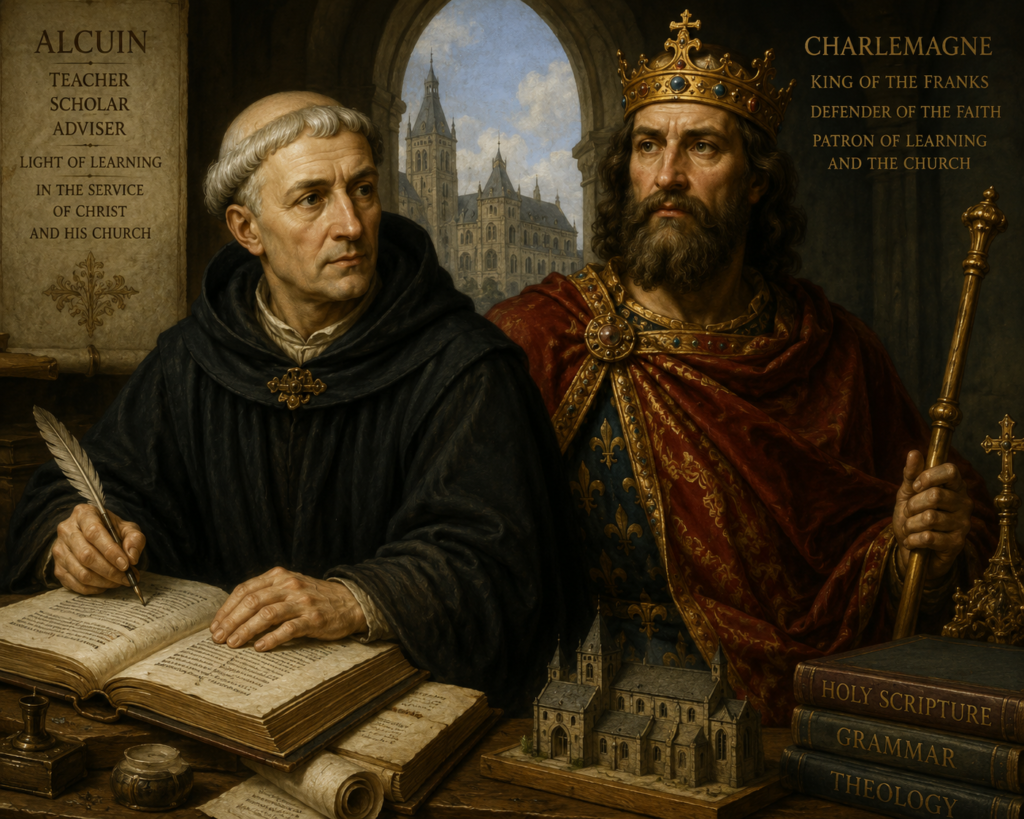
The reign of Charlemagne (768-814 AD) is widely considered a pivotal period in European history, the Carolingian Renaissance. While Charlemagne himself possessed considerable vision and ambition, he recognized that intellectual revival needed a guiding hand. That hand belonged to Alcuin of York, an English scholar who became his most trusted advisor on all matters relating to education and culture. This article explores Alcuin’s life, journey to the Frankish court, and the transformative impact he had on Charlemagne’s vision for Europe.
Early Life & Scholarly Rise in Northumbria
Alcuin was born around 732 AD in York (then known as Eboracum), a major city in the Anglo-Saxon kingdom of Northumbria. Little is definitively known about his early family or upbringing, though scholars believe he came from a relatively prosperous background that allowed him access to education. He initially studied at York Minster School, the renowned cathedral school attached to the grand York Minster. This institution was a bastion of learning in England during its time.
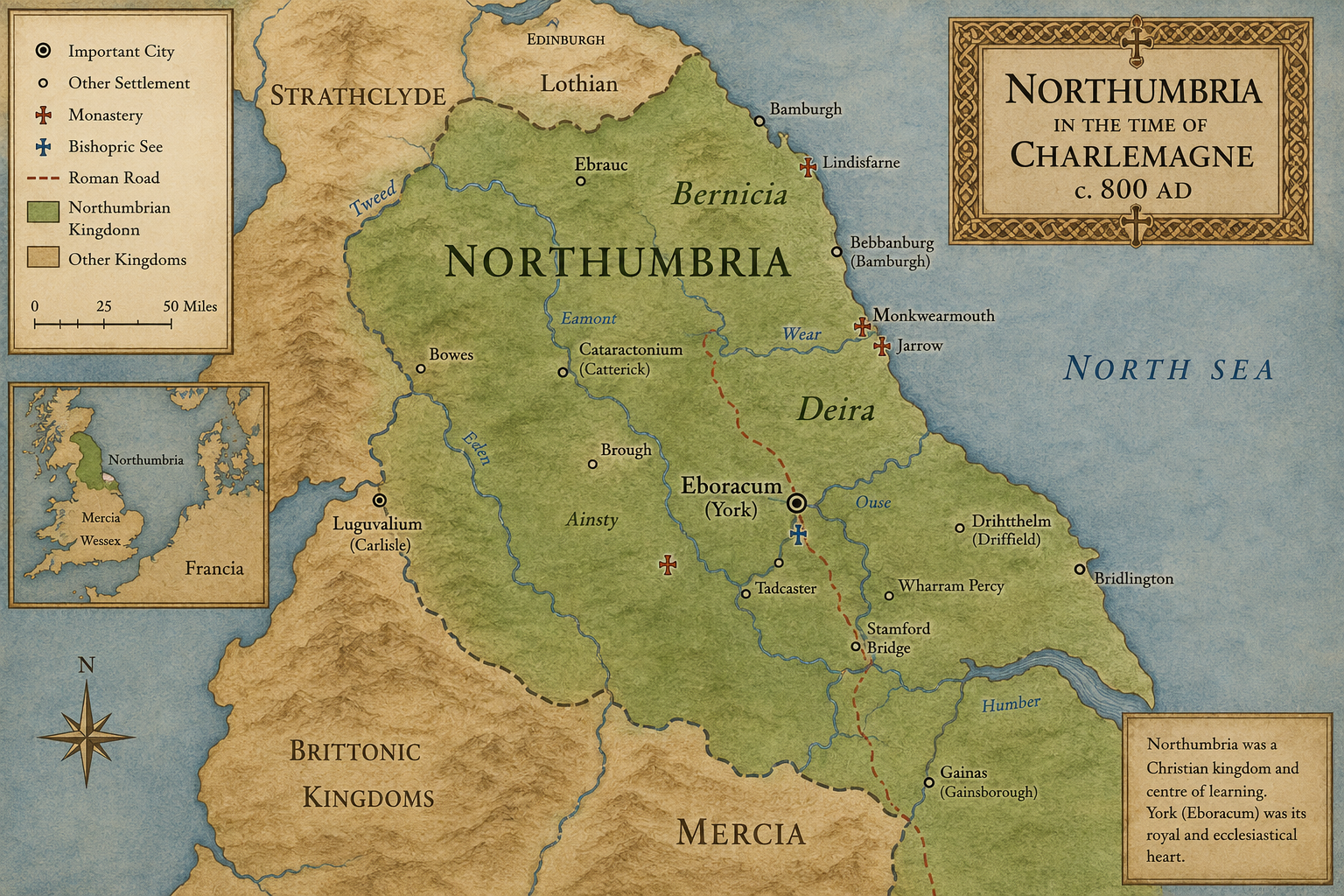
Alcuin quickly demonstrated exceptional intellectual ability. He displayed an impressive command of Latin and Greek literature, theology, grammar, rhetoric, music, and even some aspects of mathematics. By the age of 30, he had risen to become headmaster of York Minster School, a position of considerable prestige within the Anglo-Saxon world. His reputation for erudition spread far and wide, attracting students from across England and beyond. He became known for his rigorous teaching methods, blending classical learning with Christian doctrine.
The Call From Charlemagne: A Journey to Francia
In 782 AD, Charlemagne, ever seeking ways to enhance his kingdom’s intellectual standing, sent an embassy to England. The Frankish king had heard of Alcuin’s fame and desired him to join his court at Aachen (Aix-la-Chapelle). The invitation was persistent; despite initial refusals from the reluctant Alcuin, who valued the familiarity and stability of York, he eventually relented in 783 AD. He likely felt a sense of duty or perhaps saw an unprecedented opportunity to influence a powerful ruler on a grand scale.
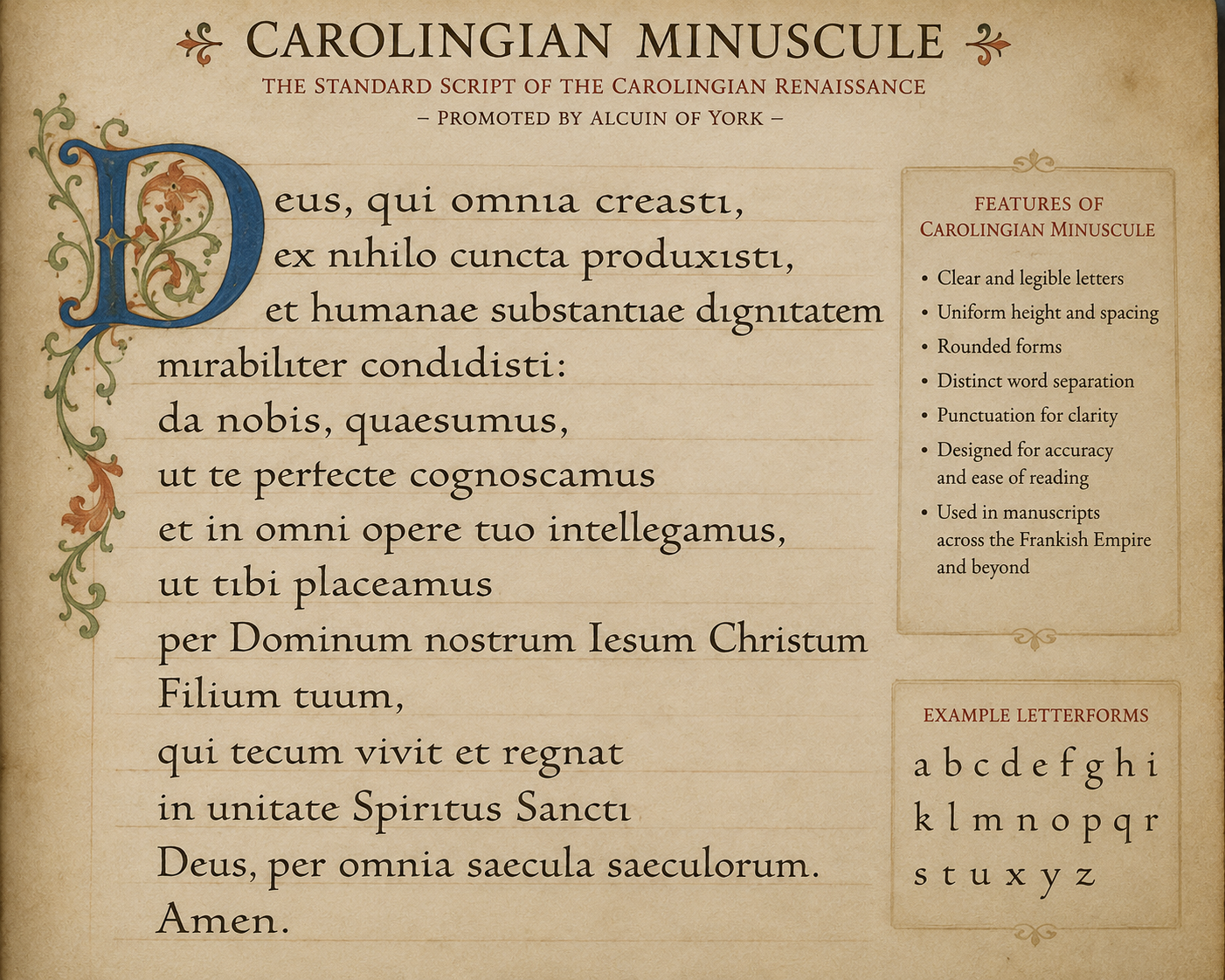
His journey to Francia marked not only a personal relocation but also a cultural exchange between Anglo-Saxon scholarship and the burgeoning Carolingian intellectual movement. It was arguably a turning point for both regions – England losing one of its greatest minds, and Francia gaining a key architect of its renaissance. Alcuin arrived in Aachen with several students, bringing with him a deep understanding of classical learning and pedagogical methods largely lost elsewhere in Europe.
Shaping the Carolingian Renaissance: A Multifaceted Role
Upon his arrival at Aachen, Alcuin quickly became Charlemagne’s closest advisor on educational matters and a crucial figure in implementing the king’s ambitious cultural program. His influence extended far beyond the purely academic; he shaped legal codes, regulated church affairs, and played a role in diplomatic negotiations. However, his primary focus remained education – transforming it from a scattered pursuit into a centralized system of learning across the Carolingian Empire.
Here’s a breakdown of Alcuin’s key contributions:
- Curriculum Reform: Alcuin advocated for a “trivium” and “quadrivium” curriculum, mirroring classical Roman education. The trivium (grammar, rhetoric, logic) focused on language arts and critical thinking while the quadrivium (arithmetic, geometry, music, astronomy) encompassed mathematical and scientific subjects. This structure provided a framework for structured learning that had been lacking previously.
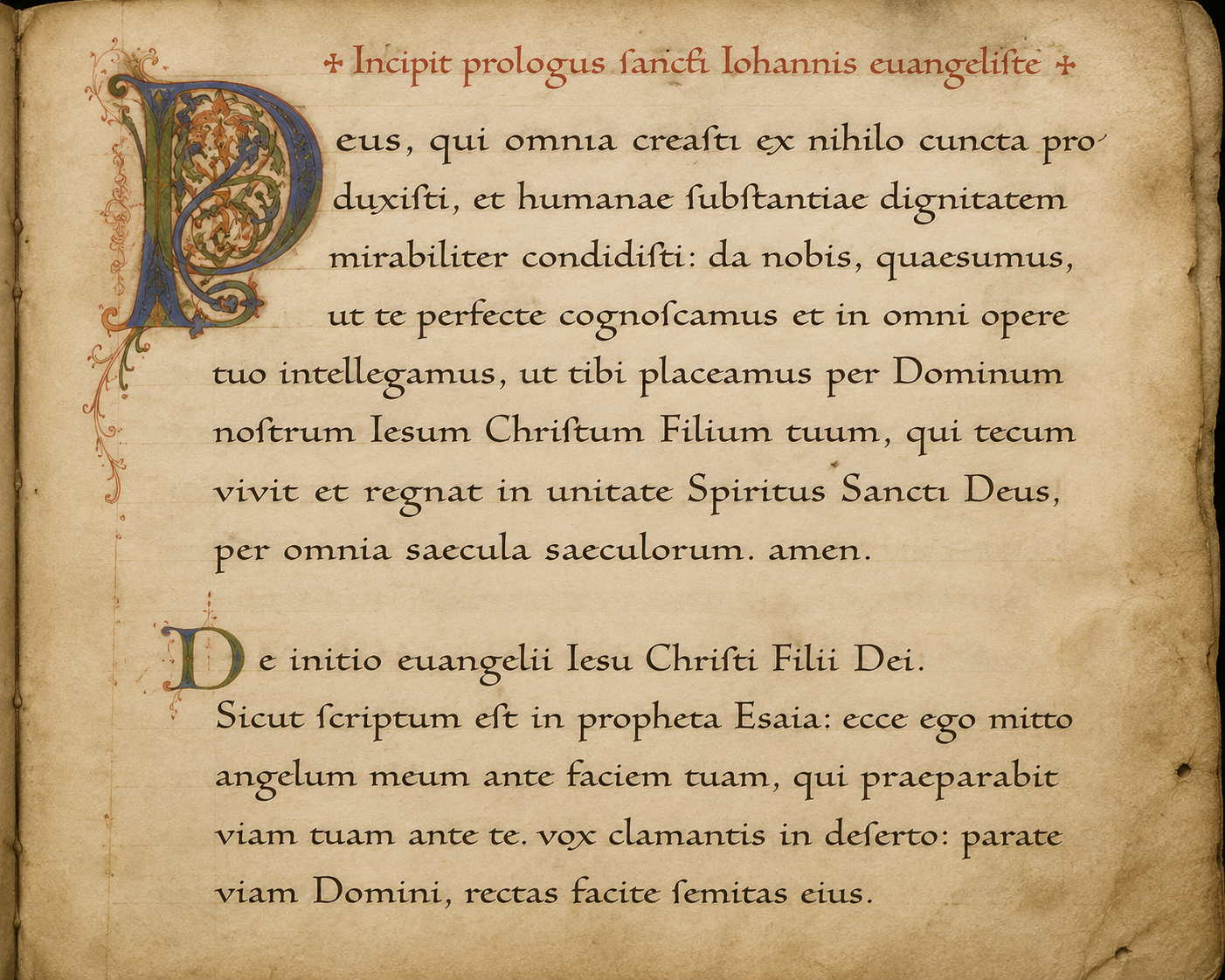
- Standardization of Script: One of Alcuin’s most lasting legacies was his role in developing Carolingian minuscule – a clear, legible script designed to replace the diverse and often difficult-to-read scripts prevalent throughout Europe at the time. This standardized script significantly improved communication and facilitated the wider dissemination of texts.
- Foundation of Schools: Alcuin helped establish numerous schools across Charlemagne’s empire. Aachen itself became a major center of learning, attracting scholars from various parts of Europe. Other key institutions founded or reformed under his guidance included the Palatine School at Frankfurt, Lorsch Abbey School, and the monastery school at Salzburg.
- Textual Recovery & Preservation: Alcuin spearheaded efforts to locate, copy, and preserve ancient classical texts, many of which had been neglected during the preceding centuries. This involved training scribes in Carolingian minuscule and organizing large-scale copying projects to ensure their survival.
- Liturgical Reform: Alongside educational reforms, Alcuin contributed to liturgical standardization, ensuring uniformity in religious practices throughout the empire, solidifying Charlemagne’s control and fostering a sense of shared identity.
Beyond Education: A Political & Religious Influence
Alcuin’s influence extended beyond the classroom and into the realm of politics and religion. He actively participated in discussions concerning Church doctrine, often mediating disputes and advising Charlemagne on matters involving papal authority and ecclesiastical policy. He was a staunch supporter of the Roman liturgy and opposed certain innovations that he considered departures from tradition.
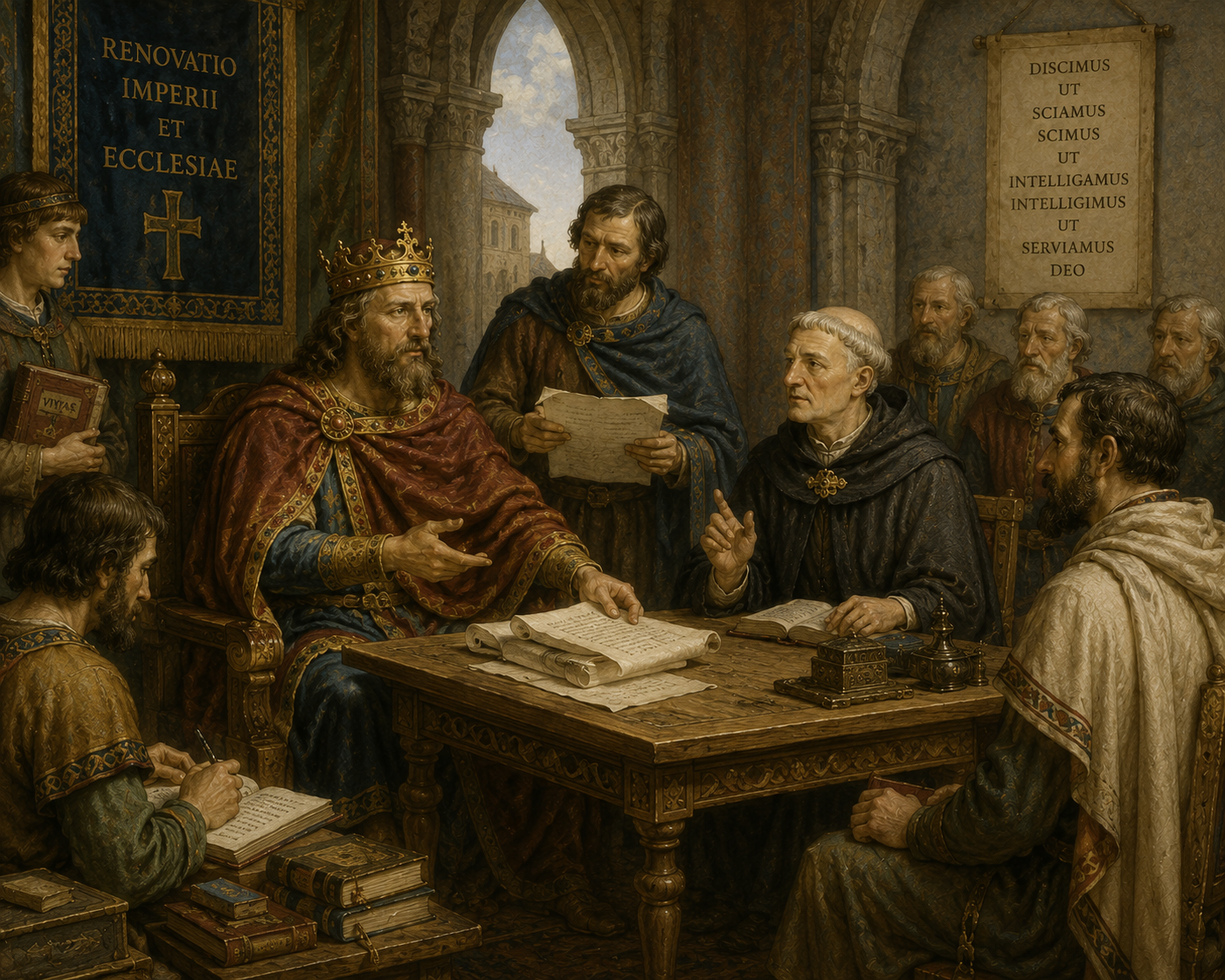
His involvement in the Adoptiones Filium controversy, Charlemagne’s attempt to formally adopt his daughter Rotrude’s son, Louis, as his heir—demonstrates his political acumen and willingness to support Charlemagne’s vision for dynastic continuity. While not directly initiating the move, Alcuin played a crucial role in formulating its legal justification and defending it against opposition.
Later Years & Legacy
After Charlemagne’s death in 814 AD, Alcuin remained at the Frankish court under Louis the Pious, Charlemagne’s son. However, the new king was less receptive to Alcuin’s advice and more inclined towards radical theological ideas. Growing disillusionment led Alcuin to leave Aachen in 820 AD.
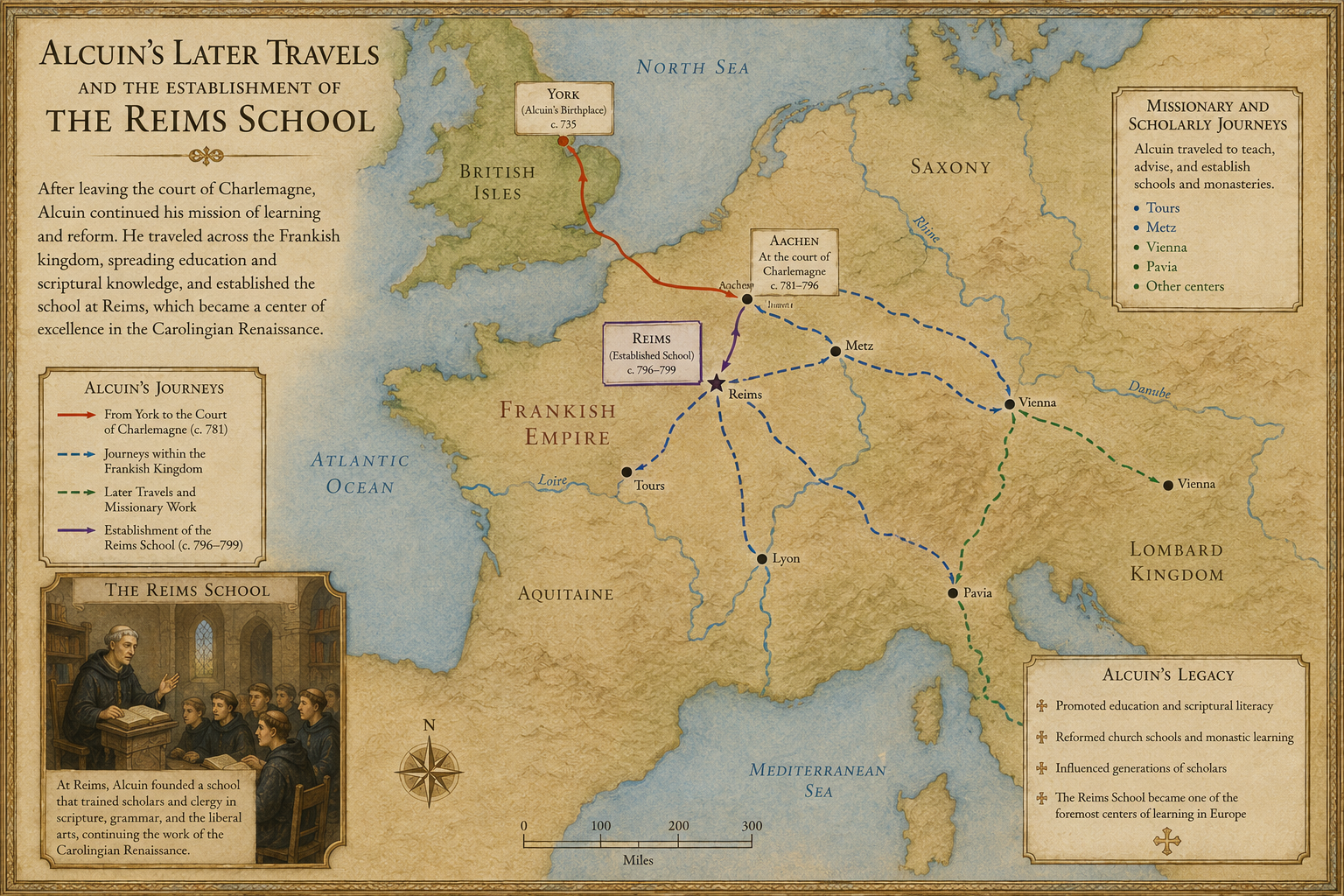
He traveled back across the Alps and eventually settled in Reims, in northeastern Francia (modern-day France), where he founded a school that became a significant center of learning for decades after his death. He died in Reims in 834 AD at approximately 72 years old.
Alcuin’s legacy remains profound. He was more than just an educator; he was an architect of cultural renewal, whose work laid the foundation for the subsequent development of European universities and intellectual traditions. By fusing Anglo-Saxon scholarship with Carolingian ambition, Alcuin fundamentally shaped the course of medieval civilization – a testament to the enduring power of learning and its ability to transform societies.