The question of why God created humanity despite knowing that humanity would fall into sin is often raised as an objection to Christian belief in an omniscient, good, and sovereign Creator. The objection assumes that foreknowledge of sin and suffering should have prevented God from creating at all. A common Christian answer appeals to free... Read more »
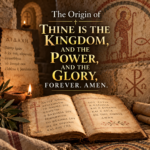
For many Christians, the Lord’s Prayer naturally ends with the familiar words, “For thine is the kingdom, and the power, and the glory, for ever. Amen.” These words appear in the King James Version and have been repeated in Christian worship for centuries. Yet many modern Bible translations place them in a footnote, enclose them... Read more »
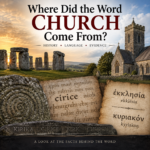
The English word church is so familiar that its history is easy to overlook. Today it can refer to a building, a local congregation, a denomination, an ecclesiastical institution, or even the act of attending worship. In English Bibles, church is also the usual translation of the Greek word ekklēsia. Yet church and ekklēsia are... Read more »
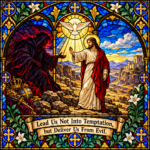
When Jesus taught His disciples to pray, He included these words: “And do not lead us into temptation, but deliver us from evil.” ( Matthew 6:13) This final petition of the Lord’s Prayer teaches us something important about the Christian life. Temptation is real, evil is active, and our own sinful weakness makes us vulnerable.... Read more »
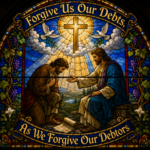
Jesus teaches His disciples to pray: “And forgive us our debts, as we also have forgiven our debtors.” (Matthew 6:12 NASB) This petition concerns both our dependence upon God’s forgiveness and our responsibility toward those who have sinned against us. There are debts we owe, and there are debts owed to us. Luke records the... Read more »
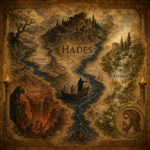
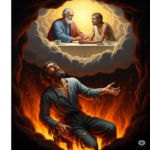
Hades, Charon, the Great Chasm, and the Biblical Message of the Rich Man and Lazarus When modern Christians read the story of the rich man and Lazarus, we bring two thousand years of Christian teaching and imagery with us. A Greek-speaking person in the first-century Mediterranean world would have brought a very different cultural background.... Read more »
A Biblical Examination of Death, Judgment, Resurrection, and the Last Day Christians have long asked what happens between a person’s death and the final resurrection. A common answer is that the soul enters an intermediate state and consciously remains there while earthly history continues until the future resurrection and Judgment Day. This article considers whether... Read more »
Did the New Testament Borrow Greek Mythology? The New Testament was written in Greek, a language that had been used for centuries before the apostles wrote Scripture. Words such as Hades already had meanings and cultural associations familiar to Greek speakers. This raises an important question. When the New Testament uses the word Hades, is... Read more »
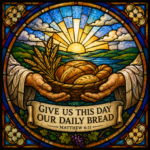
When Jesus taught His disciples to pray, He included a simple yet profound request: ‘Give us this day our daily bread. (Matt 6:11 NAS) At first glance, these words appear to be a request for food. While they certainly include our physical needs, the rest of Scripture reveals that this petition reaches much deeper. It teaches us... Read more »
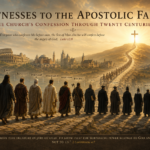
A Chronological History of the Great Confessors of Biblical Christianity Throughout the history of the Church, God has raised up faithful men and women who confessed Jesus Christ before the world. Some preached the gospel to nations, some defended biblical truth against false teaching, some translated and taught the Scriptures, and others sealed their testimony... Read more »
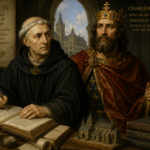
The reign of Charlemagne (768-814 AD) is widely considered a pivotal period in European history, the Carolingian Renaissance. While Charlemagne himself possessed considerable vision and ambition, he recognized that intellectual revival needed a guiding hand. That hand belonged to Alcuin of York, an English scholar who became his most trusted advisor on all matters relating... Read more »
The question of why God created humanity despite knowing that humanity would fall into sin is often raised as an objection to Christian belief in an omniscient, good, and sovereign Creator. The objection assumes that foreknowledge of sin and suffering should have prevented God from creating at all. A common Christian answer appeals to free... Read more »
For many Christians, the Lord’s Prayer naturally ends with the familiar words, “For thine is the kingdom, and the power, and the glory, for ever. Amen.” These words appear in the King James Version and have been repeated in Christian worship for centuries. Yet many modern Bible translations place them in a footnote, enclose them... Read more »
The English word church is so familiar that its history is easy to overlook. Today it can refer to a building, a local congregation, a denomination, an ecclesiastical institution, or even the act of attending worship. In English Bibles, church is also the usual translation of the Greek word ekklēsia. Yet church and ekklēsia are... Read more »
When Jesus taught His disciples to pray, He included these words: “And do not lead us into temptation, but deliver us from evil.” ( Matthew 6:13) This final petition of the Lord’s Prayer teaches us something important about the Christian life. Temptation is real, evil is active, and our own sinful weakness makes us vulnerable.... Read more »
Jesus teaches His disciples to pray: “And forgive us our debts, as we also have forgiven our debtors.” (Matthew 6:12 NASB) This petition concerns both our dependence upon God’s forgiveness and our responsibility toward those who have sinned against us. There are debts we owe, and there are debts owed to us. Luke records the... Read more »
Hades, Charon, the Great Chasm, and the Biblical Message of the Rich Man and Lazarus When modern Christians read the story of the rich man and Lazarus, we bring two thousand years of Christian teaching and imagery with us. A Greek-speaking person in the first-century Mediterranean world would have brought a very different cultural background.... Read more »
A Biblical Examination of Death, Judgment, Resurrection, and the Last Day Christians have long asked what happens between a person’s death and the final resurrection. A common answer is that the soul enters an intermediate state and consciously remains there while earthly history continues until the future resurrection and Judgment Day. This article considers whether... Read more »
Did the New Testament Borrow Greek Mythology? The New Testament was written in Greek, a language that had been used for centuries before the apostles wrote Scripture. Words such as Hades already had meanings and cultural associations familiar to Greek speakers. This raises an important question. When the New Testament uses the word Hades, is... Read more »
When Jesus taught His disciples to pray, He included a simple yet profound request: ‘Give us this day our daily bread. (Matt 6:11 NAS) At first glance, these words appear to be a request for food. While they certainly include our physical needs, the rest of Scripture reveals that this petition reaches much deeper. It teaches us... Read more »
A Chronological History of the Great Confessors of Biblical Christianity Throughout the history of the Church, God has raised up faithful men and women who confessed Jesus Christ before the world. Some preached the gospel to nations, some defended biblical truth against false teaching, some translated and taught the Scriptures, and others sealed their testimony... Read more »
The reign of Charlemagne (768-814 AD) is widely considered a pivotal period in European history, the Carolingian Renaissance. While Charlemagne himself possessed considerable vision and ambition, he recognized that intellectual revival needed a guiding hand. That hand belonged to Alcuin of York, an English scholar who became his most trusted advisor on all matters relating... Read more »
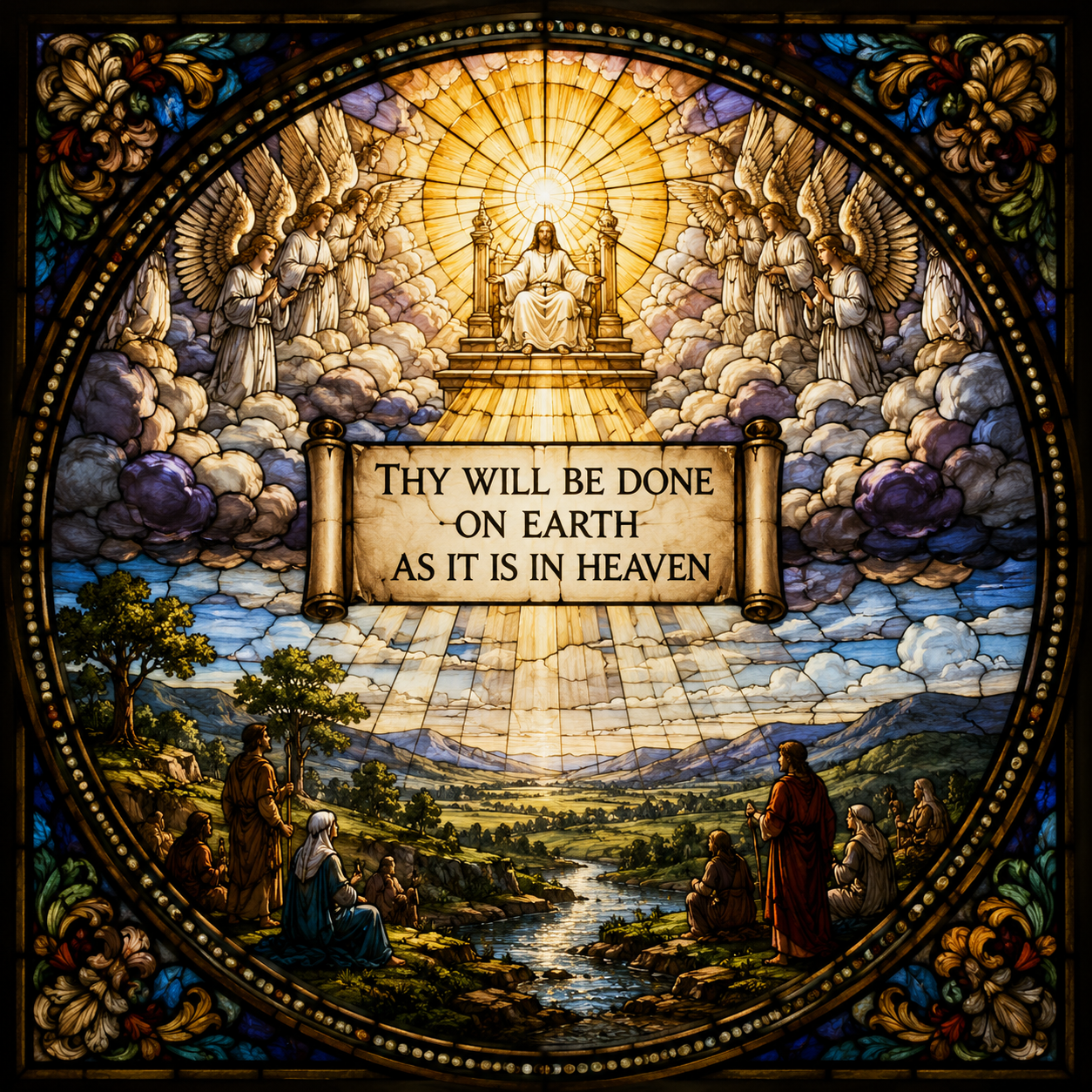
 When Jesus taught His disciples how to think about God, the world, and their place before Him, He taught them to pray: “Thy will be done on earth, as it is in heaven.” (Matthew 6:10; Luke 11:2) The Lord’s Prayer begins by teaching us to confess God’s rule before it teaches us to present our... Read more »
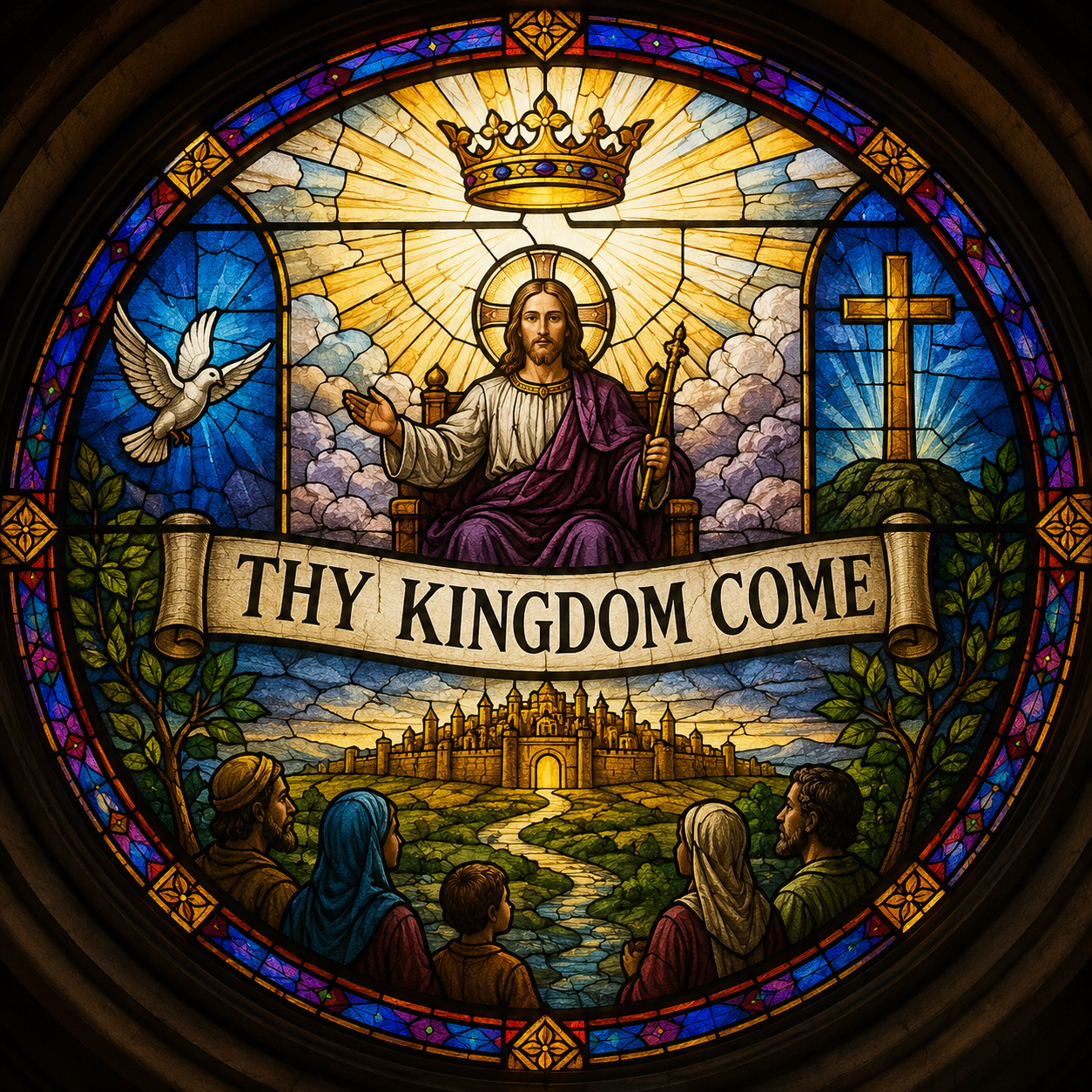
Throughout Scripture, the kingdom of God refers to God’s sovereign reign over His creation and His people. When Christians pray “Thy kingdom come,” they are acknowledging Christ as King, praying for the spread of the gospel, and desiring God’s will to be done on earth as it is in heaven. In the Lord’s Prayer, Jesus... Read more »
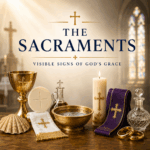
Welcome to this series on the sacraments. Throughout the history of the Church, Christians have recognized sacred acts that visibly proclaim the grace of God. These acts, often called sacraments or ordinances, stand at the center of Christian worship, discipleship, and community life. While different traditions understand them in different ways, nearly all Christians recognize... Read more »
The word “sacrament” refers to a sacred act instituted by Christ that visibly represents God’s grace. Christians throughout history have practiced rites such as baptism and communion, but Roman Catholics and Protestants differ in both the number of sacraments and their meaning. The Roman Catholic Church teaches that there are seven sacraments: Baptism, Confirmation, the... Read more »
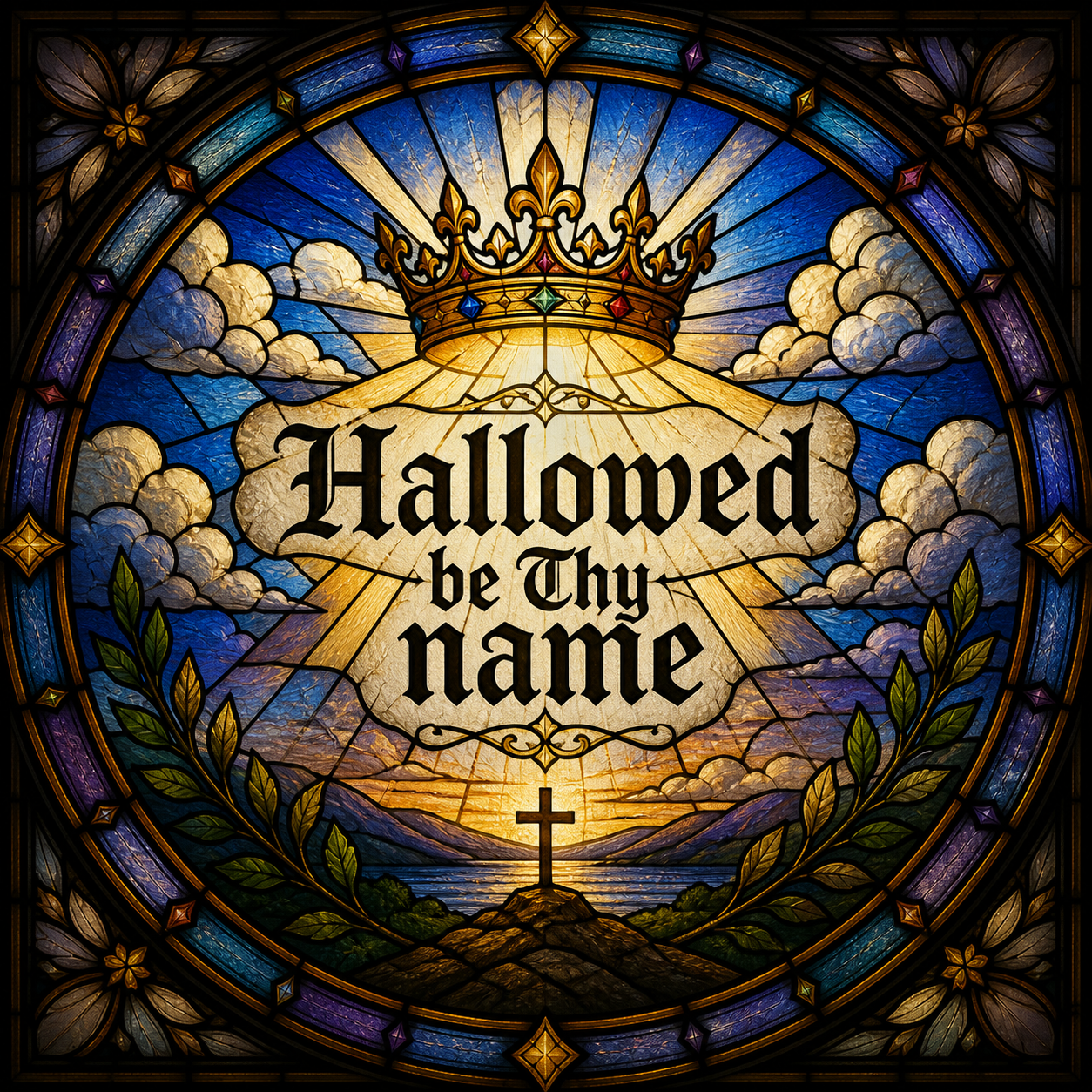
The Lord’s Prayer begins with the words: “Our Father who art in heaven, Hallowed be Thy name.” (Matt 6:9 NAS) This sets the tone for the entire prayer. Before asking for daily needs, petitions, or guidance, the focus is placed on God Himself. This opening request teaches us that sanctifying the name of God is the foundation... Read more »
When Jesus taught His disciples how to think about God, the world, and their place before Him, He taught them to pray: “Thy will be done on earth, as it is in heaven.” (Matthew 6:10; Luke 11:2) The Lord’s Prayer begins by teaching us to confess God’s rule before it teaches us to present our... Read more »
Throughout Scripture, the kingdom of God refers to God’s sovereign reign over His creation and His people. When Christians pray “Thy kingdom come,” they are acknowledging Christ as King, praying for the spread of the gospel, and desiring God’s will to be done on earth as it is in heaven. In the Lord’s Prayer, Jesus... Read more »
Welcome to this series on the sacraments. Throughout the history of the Church, Christians have recognized sacred acts that visibly proclaim the grace of God. These acts, often called sacraments or ordinances, stand at the center of Christian worship, discipleship, and community life. While different traditions understand them in different ways, nearly all Christians recognize... Read more »
The word “sacrament” refers to a sacred act instituted by Christ that visibly represents God’s grace. Christians throughout history have practiced rites such as baptism and communion, but Roman Catholics and Protestants differ in both the number of sacraments and their meaning. The Roman Catholic Church teaches that there are seven sacraments: Baptism, Confirmation, the... Read more »
The Lord’s Prayer begins with the words: “Our Father who art in heaven, Hallowed be Thy name.” (Matt 6:9 NAS) This sets the tone for the entire prayer. Before asking for daily needs, petitions, or guidance, the focus is placed on God Himself. This opening request teaches us that sanctifying the name of God is the foundation... Read more »
 The question of why God created humanity despite knowing that humanity would fall into sin is often raised as an objection to Christian belief in an omniscient, good, and sovereign Creator. The objection assumes that foreknowledge of sin and suffering should have prevented God from creating at all. A common Christian answer appeals to free... Read more »